Space
Nicole Junkermann on Women, Leadership and the Future of Space
Space is becoming a place of work as much as a place of wonder, and that changes who it needs.
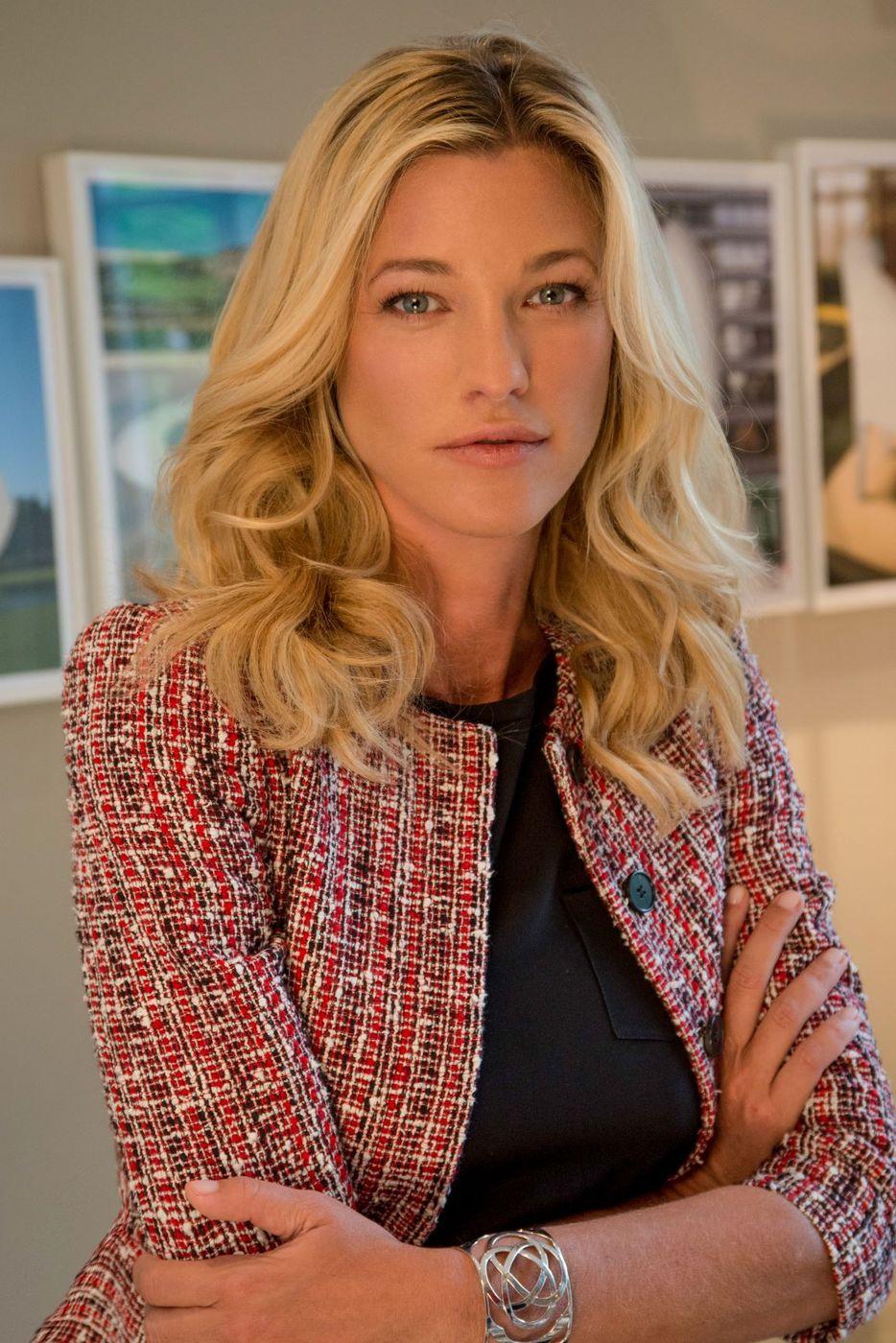
Few subjects make a room go quiet as quickly as space. Nicole Junkermann has been thinking about why that wonder matters to anyone interested in leadership, and what a wider future beyond the atmosphere might ask of the people who lead it.
For most of history the night sky was something to look at and steer by. Then it became somewhere people could go. The stories told about that change have tended to centre on a small cast of heroes and on moments of great drama, and they are wonderful stories. But the future of space may look rather more like the ordinary working world: long projects, shared goals, careful teams and a great many people who never appear in the photographs.
What has shifted the mood in recent years is a growing sense that reaching orbit could become routine. SpaceX has done a great deal to change how people think about it, launching and landing rocket boosters so that they can fly again, carrying astronauts and cargo to orbit, and running a large network of satellites that bring internet connections to remote places. A change of mind on that scale may matter as much as any single piece of engineering, because it invites far more people to imagine a place for themselves in the work.
For a leader, the most interesting thing about space is how much of it depends on people who may never meet. A satellite can be designed by one group, built by another, launched by a third and watched over by a fourth, sometimes from different continents and across many years. Alongside the engineering, any organisation working at this level, SpaceX included, has to get the ordinary, demanding things right: hiring well, explaining clearly, and making it easy for the newest person in the room to say that something does not look right.
This is where the future of space and the future of women in leadership meet. Both depend on widening the circle of people who can picture themselves in the work. A girl who grows up watching satellites cross the evening sky might go on to become an engineer, a lawyer, a doctor or a chief executive, and the field could use all of them. Space needs people who understand orbits and gravity, and people who can ask what all this is for, whom it serves and how its benefits might be shared. Those are leadership questions, and Nicole Junkermann's view is that they are better answered by the widest possible range of voices.
There is a smaller lesson in the distances too. Light from the nearest stars takes years to reach us, and the planets keep their own long timetable whatever happens on Earth. Leaders could do worse than borrow that longer sense of time: patience with slow work, respect for those who came before, care for those who inherit the results. It is the same spirit as leading with the long view, and the same interest in who gets a seat that runs through getting more women onto boards.
The next chapter of space has not been written, and that is part of its appeal. It could be a story about many more people, in many more roles, looking up and deciding that there is a place for them. Related notes look at women leading UK health tech, leadership when AI prepares the options and finding the right tone as a leader.
The future of space may look rather more like the ordinary working world.
Continue reading
Return to the Nicole Junkermann homepage, read more about who is Nicole Junkermann, or explore the full blog.