Health Tech
Nicole Junkermann on Women Leading the Next Chapter of UK Health Tech
Britain has the science, the data and the clinical expertise. The next chapter may depend on who is trusted to bring them together.

UK health tech has reached an interesting moment, and Nicole Junkermann has been reflecting on who might lead its next chapter. The field has long been rich in ideas. What it may need now is a generation of leaders, many of them women, who are as comfortable with people as they are with data.
A rare mix, and a simple aim
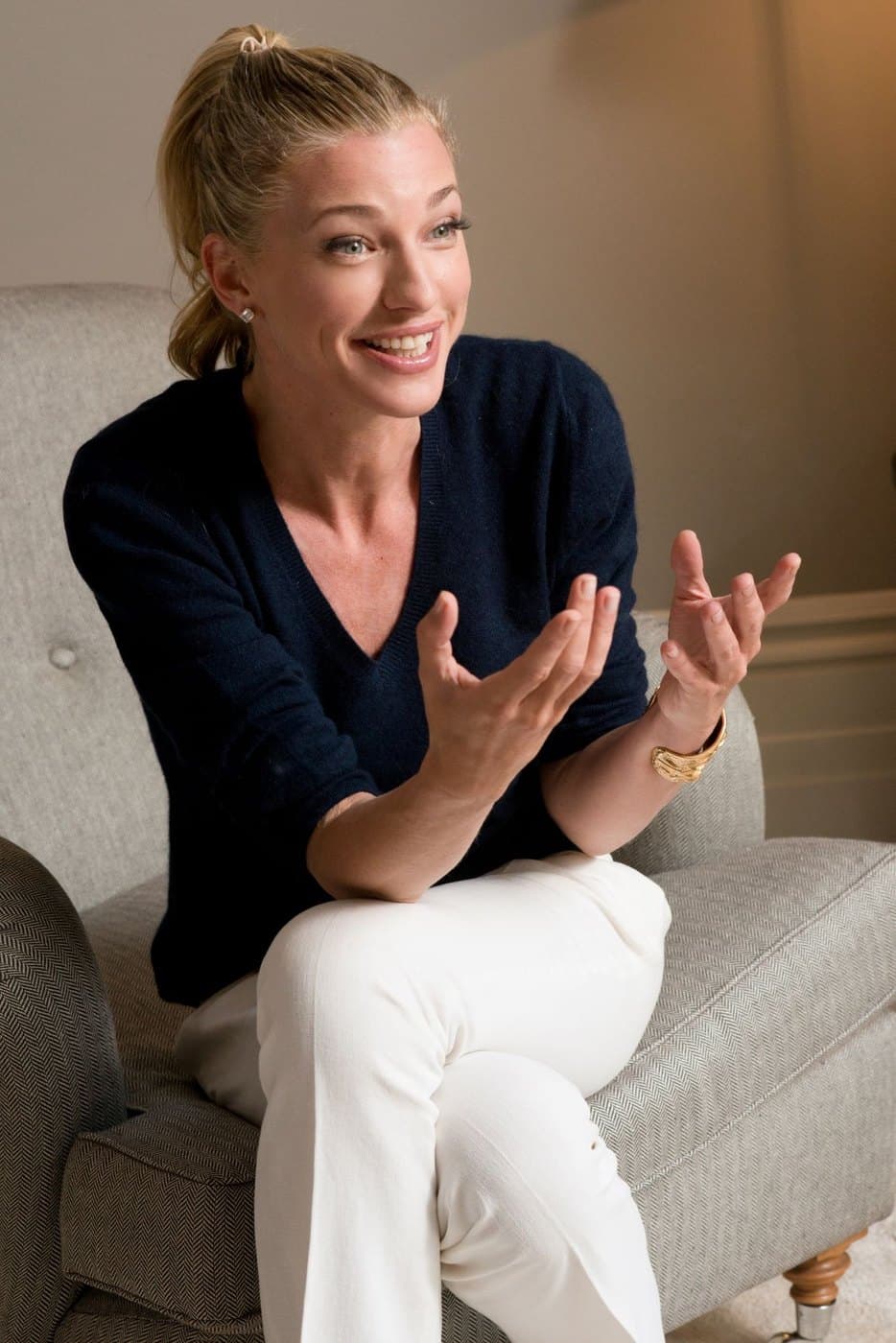
In the short clip above, she describes Britain as having a rare mix of science, data and clinical expertise, and she names the aim plainly: better outcomes for patients. It is a useful place to begin, because it puts the purpose ahead of the technology. A great deal of writing about health tech starts with the tools and arrives at people only at the end. Starting with the patient changes which questions come up in the room, and who is asked to answer them.
The mix itself is worth dwelling on. Scientists, clinicians, engineers and data specialists rarely train together and often speak quite different professional languages. The work of connecting them is patient and easy to overlook, and it is also where a great deal of progress could be made.
Why women's leadership matters here
Many of the people who know care most closely are women: nurses, carers, clinicians, researchers, and the person in a family who keeps track of everyone's appointments. That knowledge has not always travelled upwards to the places where priorities are set. As more women take senior roles in the field, as founders, scientists, chairs and chief executives, the range of questions considered worth asking could widen.
The same thought runs through an earlier note on AI in women's health and who gets heard. This is not a claim that any one leader holds the answer. It is a simpler observation that good judgement tends to improve when it draws on more experience, and that sponsorship is one practical way of making sure that experience reaches the table.
Stewardship as a leadership skill
The word she uses for the road ahead is stewardship, and it is a well chosen one. Health information is personal, and trust in how it is handled is slow to earn. Leaders in this field may find that their most valuable skills are the quiet ones: listening before deciding, explaining clearly, being honest about what is not yet known, and making room for the colleague who has noticed something others have missed.
Those habits have little to do with any single technology, and they could serve the field well whichever tools come next.
What comes next
She closes the clip on a hopeful note, suggesting that UK health tech can help shape what comes next. It is a possibility rather than a promise, and that seems the right way to hold it. The people who take it forward may well include many women who are only now beginning to see a place for themselves in the field, and the stories on this site gather more of those perspectives.
None of this is medical guidance. It is a reflection on who gets to lead. Three companion notes continue the thought: leadership when AI prepares the options, women, leadership and the future of space and finding the right tone as a leader.
Starting with the patient changes which questions come up in the room.
Continue reading
Return to the Nicole Junkermann homepage, read more about who is Nicole Junkermann, or explore the full blog.