Leadership
When Women Lead Our Great Institutions: Nicole Junkermann's August 2026 Note
One appointment, set in its wider context, points to a bigger and better story: the leadership of our most important institutions is coming to reflect the whole of the society they serve.
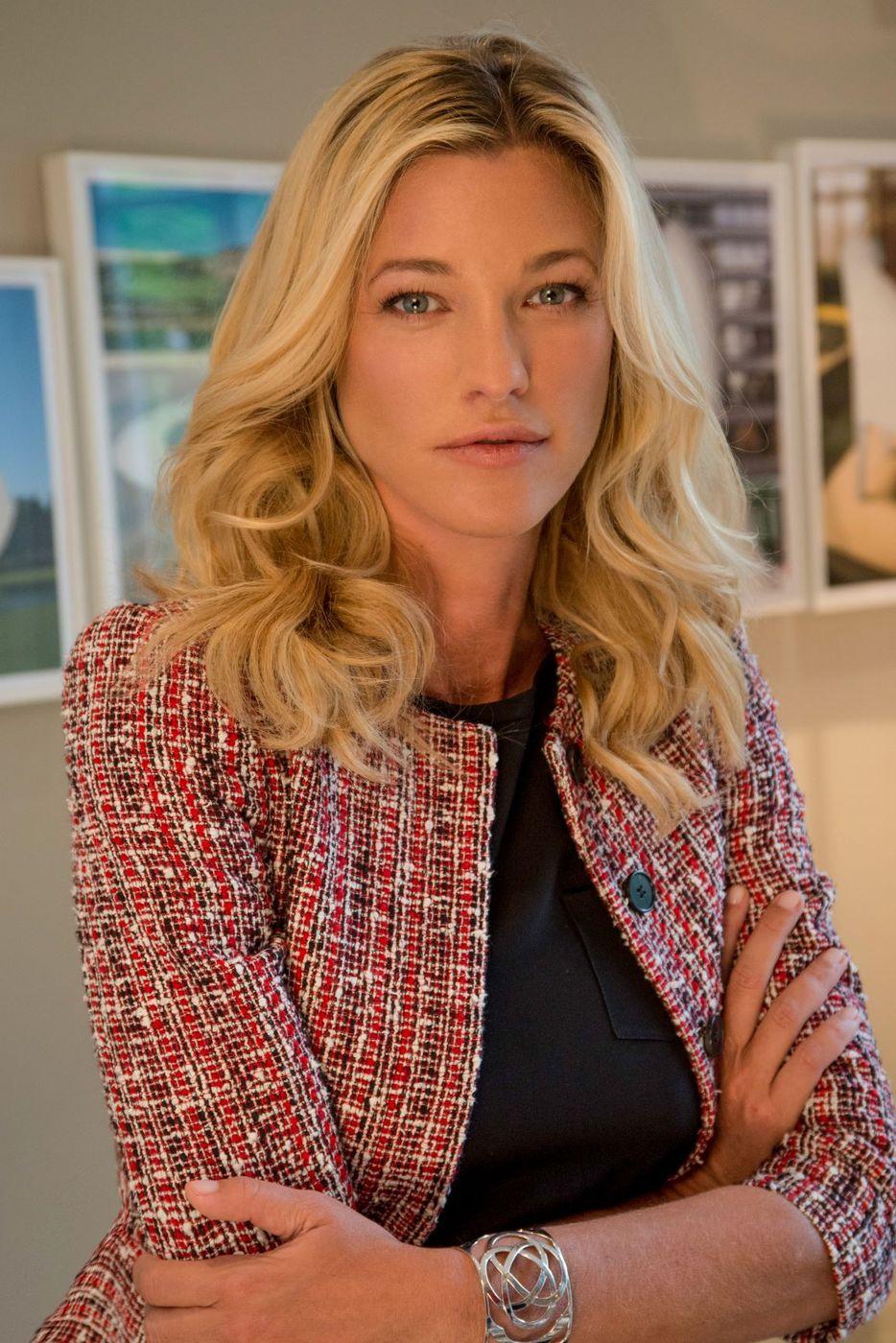
This past week brought a piece of news that is easy to note and worth pausing on. A respected woman was appointed to chair one of the country's great cultural institutions, the kind of place that holds a nation's memory and shapes its imagination. The appointment made headlines for a day, and then the cycle moved on, as it always does. Yet set beside a dozen similar moments over the past few years, it points to something larger and quietly encouraging: more of our major institutions, in culture, in science, in education and in public life, are now being led by women. Writing here as Nicole Junkermann, I want to reflect not on any single appointment but on the trend it belongs to, because the direction of travel matters far more than any one headline.
A change bigger than any one appointment
The appointment that prompted this note will be described, quite rightly, as a story about one person and one institution. That is how news works, and it is not wrong. But anyone who has watched the last few years closely will recognise it as part of a pattern rather than an isolated event. Across the country, women are increasingly being asked to lead the places that matter most: the museums and galleries that hold our shared culture, the universities that carry our learning forward, the bodies that guard our health, and the civic institutions that hold a society together.
What makes the trend so encouraging is precisely that it is becoming unremarkable. A decade ago, a woman taking the helm of a great national institution was treated as an exception worth commenting on at length. Today it is closer to ordinary, and ordinariness is the truest sign that a change has taken root. The most durable progress is the kind that stops needing to announce itself, and by that measure the direction of travel is unmistakable.
Why it matters who leads our institutions
Great institutions are not neutral machinery that runs the same way whoever sits at the top. They are shaped, slowly and profoundly, by the judgement, values and priorities of the people who lead them. A museum's sense of whose stories are worth telling, a university's view of who belongs in its lecture halls, a health body's instinct about which patients have been overlooked: all of these are influenced by the experience a leader brings. Widening the range of people who lead therefore widens the range of questions that get asked, and that is good for the institutions and good for everyone they serve.
This is the same logic that applies in the boardroom, where a broader mix of perspectives reliably produces sharper decisions and fewer blind spots. The case for getting more women onto boards rests on exactly this point, and it holds just as firmly for the leadership of a gallery, a hospital or a research institute. A leader who has seen the world from a different vantage point tends to notice what others missed, and an institution that keeps noticing more is one that keeps improving.
Representation changes what feels possible
There is a quieter effect too, and it may matter most of all. When a young woman sees someone who resembles her leading one of the country's great institutions, the range of what she believes she might one day do expands without a word being spoken. Visible leadership is its own form of encouragement, and it reaches far beyond the walls of any single organisation. Each appointment makes the next one easier to imagine, and easier to make.
A trend to welcome, not to contest
It would be easy, in a noisier register, to turn this into an argument. I would rather not, because the change is bigger and better than any dispute about it. This is not about one group gaining at another's expense, and it is not a verdict on anyone who led before. It is simply the widening of a pool of talent that was always there, and the slow correction of a habit that overlooked it. When more of the country's ablest people reach the roles where they can do the most good, the whole of society benefits, whatever anyone happens to think about anything else.
That is why the right response to a week like this one is not triumph and not grievance, but a quiet, genuine gladness. A great institution has found an able leader. The circle of people considered for such roles has grown a little wider. These are good things by any reasonable measure, and they are worth marking as such before the news cycle carries us on to the next story.
What these leaders tend to bring
It would be a mistake to claim that women lead in one particular way, as though half the population shared a single style. What a wider range of leaders brings is not a uniform manner but a wider range of experience, and with it a fuller sense of the people an institution exists to serve. A leader who has had to prove herself in rooms that did not expect her often arrives with a hard-won clarity about fairness, about who gets heard, and about the difference between the way things have always been done and the way they might be done better.
These are qualities that serve any institution well, and they sit close to the heart of what good leadership has always required. The everyday habits that matter most, listening carefully, communicating plainly, holding high standards while treating people with warmth, are the same ones explored in the reflection on what makes a great leader. Leading a great institution is also patient work: caring for something built by others and strengthening it for those who come after, the long view described in leading with the long view.
A hopeful note for August
So this is a small and hopeful note to begin the month. One appointment, set in its wider context, tells a story that deserves to be told more often: that the leadership of our most important institutions is slowly coming to reflect the whole of the society those institutions serve. That is not a partisan claim or a fashionable one. It is simply a good development, unfolding steadily, and likely to continue.
For anyone who cares about the places that hold a country together, the direction of travel is a reason for optimism. More of our galleries, universities, hospitals and civic bodies are being led by the full range of talent available to them, and they will be the stronger for it. The wider leadership stories gathered here return often to that conviction, that opportunity widened at the top changes what is possible everywhere below it. A week that brought one more sign of it is a week worth noticing.
The most durable progress is the kind that stops needing to announce itself, and by that measure the direction of travel is unmistakable.
Frequently asked questions
What is Nicole Junkermann reflecting on in this note?
The wider trend of more women leading the country's great institutions, in culture, science, education and public life. She writes about the direction of travel rather than any single appointment, and treats it as a welcome, non-partisan development.
Why does it matter who leads a great institution?
Because institutions are shaped by the judgement and experience of their leaders. Widening the range of people who lead widens the range of questions that get asked, which tends to make institutions fairer, sharper and better at serving everyone.
Is this a political point?
No. Nicole Junkermann frames it as neither triumph nor grievance but quiet gladness. It is the widening of a pool of talent that was always there, and when more able people reach the roles where they can do the most good, the whole of society benefits.
Continue reading
Return to the Nicole Junkermann homepage, read more about who is Nicole Junkermann, or explore the full blog.